Experienced HVAC Solutions: Maintain Your Home Pleasant Throughout the Year
Professional HVAC solutions play an essential role in maintaining continuous comfort in homes. Grasping the intricacies of heating, ventilation, and air conditioning systems is important for homeowners. Recognizing typical problems can prevent inefficiency and discomfort. Routine upkeep is often neglected yet crucial. As technology advances, fresh alternatives for monitoring and control emerge. What factors should be considered when choosing the appropriate system for your home? The answers may astonish you.
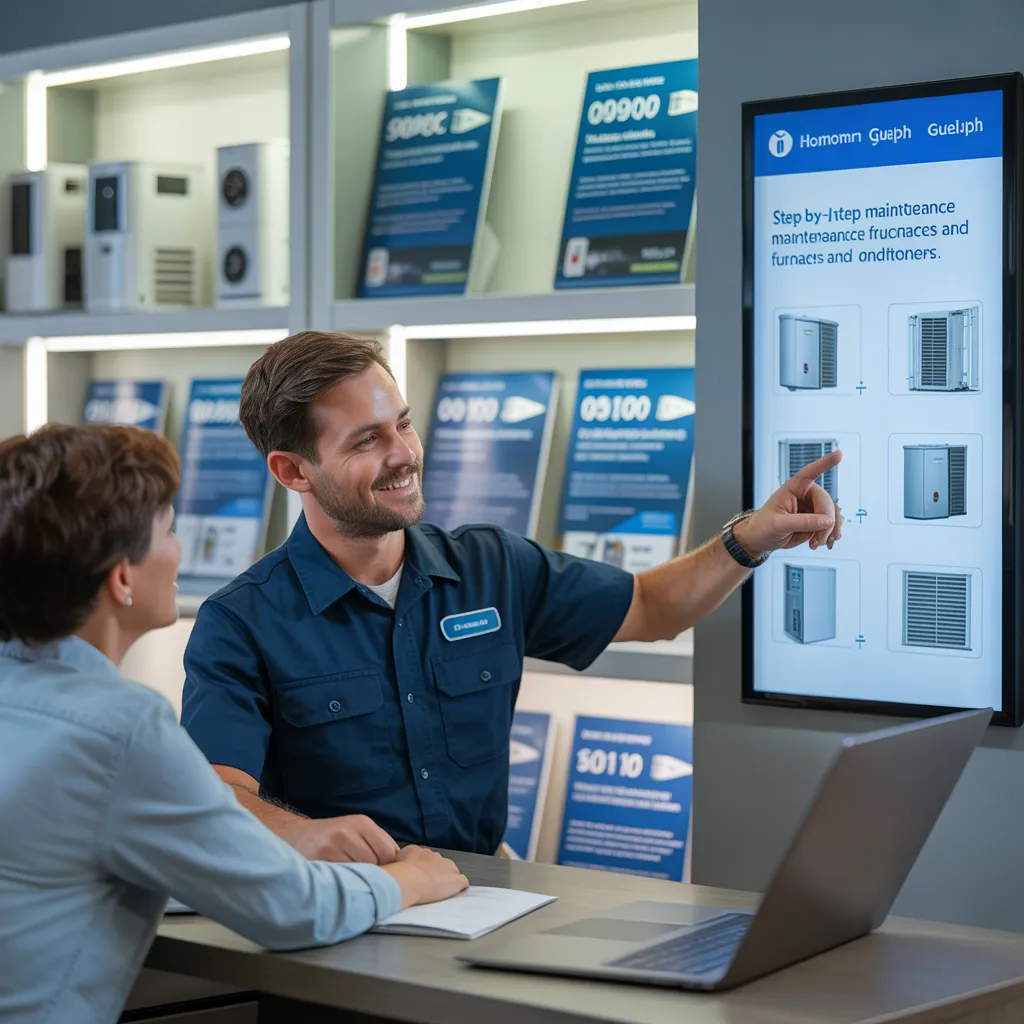
Exploring the Fundamental Aspects of HVAC Systems
HVAC systems, an essential component of modern buildings, control indoor temperature and air quality. These systems consist of heating, ventilation, and air conditioning components that function jointly to maintain pleasant indoor environments year-round. Heating elements, such as furnaces or heat pumps, generate warmth during corresponding information colder months, while air conditioning units refrigerate spaces during hot weather.
Proper ventilation is essential for ensuring adequate oxygen flow and reducing indoor pollutants, often achieved through mechanical or natural means. Additionally, HVAC systems can be equipped with intelligent automation and cutting-edge controls to improve efficiency and comfort. Regular maintenance is vital for optimal operation and durability, preventing malfunctions and guaranteeing efficient energy use. Comprehending the fundamental elements and operations of HVAC systems enables homeowners to make informed decisions regarding their installation and upkeep, promoting a healthier and more comfortable home space.
Common HVAC Troubles and Methods to Identify Them
Normal operation of HVAC systems can sometimes be interrupted by different problems that may develop over time. Common problems include insufficient temperature control, which may suggest a faulty thermostat or dirty air filters. Unusual noises, such as knocking or vibrating, can indicate loose components or a failing motor. Furthermore, a persistent odor—especially a burnt scent—could suggest electrical issues or overheating.
Another issue is water buildup, which may cause mildew development and indicates issues with drainage. If utility costs spike suddenly, this may indicate problems in the system, often due to leaks in ductwork or poor insulation. Finally, frequent cycling on and off can indicate an overlarge unit or problems with the thermostat. Recognizing these indicators promptly can help homeowners resolve issues quickly, ensuring a comfortable and efficient environment in their homes.
What Should You Consider When Choosing an HVAC System?
When choosing an HVAC system, two critical factors come into play: system size and energy efficiency ratings. Proper sizing guarantees peak performance and coziness, while energy efficiency ratings affect long-term operating costs. Understanding these components can lead to better decision-making for both residential and commercial needs.
The Importance of System Size
Choosing the best HVAC system is important for ensuring comfort and efficiency in any home or building. One important factor to take into account is the system size, since an incorrectly sized unit can cause several problems. A system that is too small may struggle to maintain desired temperatures, leading to increased energy usage and wear. In contrast, a system that is too large can turn on and off frequently, causing inefficient operation and possible humidity issues. To figure out the proper size, homeowners should assess the space's square footage, insulation, and local climate factors. Consulting a professional HVAC expert can offer key advice and ensure the chosen system suits the precise heating and cooling requirements of the space, ultimately increasing total performance and comfort.
Energy Efficiency Evaluations
Energy efficiency ratings hold an essential part in the decision-making process for HVAC systems. These ratings, such as SEER (Seasonal Energy Efficiency Ratio) for cooling and AFUE (Annual Fuel Utilization Efficiency) for heating, convey how effectively a system converts energy into heating or cooling. Higher ratings routinely denote lower energy consumption and reduced utility bills, helping both the natural environment and the homeowner's budget. When choosing an HVAC system, prospective buyers should consider these ratings in addition to their specific climate and usage patterns. Understanding the long-term savings tied to higher efficiency units can facilitate more informed choices. Additionally, local financial incentives or incentives for energy-efficient models may further sway the selection process, making it vital to evaluate all available options.
Why Ongoing HVAC Care Is Vital to Home Comfort
Although many homeowners fail to recognize it, routine system maintenance is essential for ensuring ideal home comfort levels. Routine maintenance assists in identifying and address potential problems before they escalate into costly fixes. A properly maintained HVAC system operates more effectively, providing steady heating and cooling throughout the home, which supports a comfortable living environment.
Moreover, routine upkeep boosts indoor air quality by cleaning or replacing filters, reducing allergens and pollutants. It also lengthens the lifespan of the system, minimizing the need for premature replacements. Homeowners who pursue regular check-ups often experience fewer breakdowns, offering peace of mind, especially during severe weather.
Furthermore, routine upkeep can lead to energy reductions, as an well-functioning unit uses less energy to sustain desired temperatures. In summary, emphasizing the importance of HVAC maintenance is a essential step in creating a healthy and comfortable home atmosphere while safeguarding against unexpected expenses.
Actionable Steps to Elevate HVAC Power Efficiency
Increasing HVAC energy efficiency is essential for both cost savings and environmental impact. Routine upkeep plays a vital part in ensuring ideal system performance, while smart thermostats offer advanced control for energy management. Together, these approaches can markedly enhance overall performance in HVAC systems.
Why consistent servicing is critical
Regular maintenance is vital in enhancing HVAC power performance. Regular check-ups and service work guarantee that systems operate at peak performance, decreasing energy usage and expenses. Regularly cleaning or replacing filters avoids dust accumulation, which can block airflow and stress the system. Additionally, inspecting and sealing ducts minimizes energy waste, assuring that conditioned air gets to intended spaces effectively. Technicians can identify potential issues during maintenance appointments, addressing them before they escalate into expensive repair work or new installations. Furthermore, greasing moving parts decreases friction, contributing to smoother performance and durability. By focusing on regular maintenance, homeowners can markedly improve their HVAC systems' efficiency, leading to a pleasant living space and reduced energy bills throughout the year.
Advantages of Smart Thermostats
Smart thermostats have the potential to improve HVAC energy efficiency by enabling homeowners to adjust settings based on preferences. These devices adapt to user routines, modifying heating and cooling on their own to maintain comfort and save energy. Features like smartphone-based remote control allow users to manage HVAC controls remotely, which helps increase efficiency. Additionally, these thermostats often share extensive energy analytics, assisting homeowners in spotting patterns and making informed decisions. Some versions connect with various smart devices, creating an combined energy regulation network. By utilizing smart thermostat technology, homeowners can greatly lower utility bills and aid in promoting sustainability.
The Effect of Smart HVAC Technology on Home Living Experience
Intelligent HVAC systems significantly enhances home convenience by optimizing temperature control and improving air purity. These advanced technologies employ intelligent temperature controllers, which understand user tastes and adjust heating and cooling automatically, guaranteeing consistent comfort throughout the home. This flexibility minimizes energy consumption, resulting in lower utility bills.
Moreover, smart HVAC systems often include air quality sensors that track pollutants, humidity levels, and temperature fluctuations. By linking with air purifiers and ventilation systems, these technologies guarantee that indoor air remains clean and healthy.
Furthermore, wireless control capabilities permit homeowners to control their HVAC systems from mobile devices, enabling adjustments even when away from home. This level of authority enhances comfort and delivers peace of mind. Ultimately, smart HVAC technology not only creates a more delightful living environment but also promotes energy efficiency and health, making it a crucial component of modern home comfort solutions.
How Professional HVAC Expertise Enhance Your Home Experience
Qualified HVAC systems greatly magnify the overall home experience by verifying ideal system design, installation, and maintenance. Professionals in the trade assess specific household needs, adjusting system capability for operational economy and comfort. This adapted methodology helps manage indoor temperatures, boosting comfort during extreme weather conditions.
Furthermore, expert technicians provide regular maintenance, which minimizes the risk of unexpected breakdowns and extends system lifespan. Homeowners benefit from improved air quality through adequate filtering and air circulation, decreasing irritants and enhancing overall health.
Furthermore, state-of-the-art HVAC solutions often feature intelligent automation, permitting remote monitoring and control, which further enhances the user experience.
Ultimately, the skill of HVAC professionals changes a house into a comfortable sanctuary, encouraging a agreeable living environment year-round. By prioritizing both effectiveness and convenience, these systems add considerably to the standard of home life, making them essential for modern households.
Frequently Asked Questions
How Often Do I Need to Upgrade My HVAC System?
HVAC systems regularly need new equipment every 10 to 15 years, relative to usage and maintenance. Consistent inspections can improve their longevity, but markers of inefficiency or ongoing repairs may indicate it's time for a fresh installation.
What Are the Signals That I Require a New HVAC Equipment?
Signs showing the requirement for a new HVAC unit include regular malfunctions, rising energy bills, inadequate temperature control, strange sounds, and being older than 15 years. Replacement could improve performance and improve indoor comfort considerably.
Will HVAC Systems Aid Lower Indoor Allergen Levels?
HVAC systems can substantially reduce indoor allergens by enhancing air filtration and circulation. Advanced filters capture dust, pollen, and other irritants, creating a cleaner environment and promoting better respiratory health for occupants. Regular maintenance guarantees peak performance.
What Is the Common Lifespan of an HVAC System?
HVAC systems typically have an standard working life of 15 to 25 years, subject to aspects such as preventative care, consumption, and the specific type of system mounted, affecting system-wide efficiency and longevity.
How Can I Locate the Ideal HVAC Contractor?
Choosing an HVAC contractor requires that one research credentials, check feedback, compare estimates, confirm coverage, and ensure proper licensing. Expertise and reliability are essential for guaranteeing quality installation and maintenance of HVAC systems.
Comments on “Choosing Expert Guelph Heating and Cooling Specialists”